- 300-bed Multi-Speciality Facility
- 24/7 Emergency & Trauma Care
- Careers
- Contact Us
- Emergency: Call Now

Specialist Skin, Hair & Aesthetic Care
The Department of Dermatology at MG Hospital provides specialist care for conditions affecting the skin, hair, scalp and nails, combining medical dermatology with advanced procedural treatments.
Introduction
Skin concerns can range from a temporary irritation or infection to chronic inflammatory conditions, hair loss, pigmentation disorders and complex skin lesions. Our dermatologists focus on identifying the underlying cause before recommending treatment, with care plans tailored to the patient’s condition, skin type and individual needs.
From everyday concerns such as acne and hair fall to specialised diagnostic and procedural dermatology, MG Hospital brings expert clinical care together with modern treatment options.
More Than Skin Deep
Dermatology is a medical specialty that covers much more than appearance.
Our specialists evaluate and manage:
- Acne and acne scarring
- Pigmentation disorders
- Eczema and dermatitis
- Psoriasis and other inflammatory skin conditions
- Skin allergies
- Bacterial, fungal, viral and parasitic skin infections
- Hair and scalp disorders
- Nail disorders
- Keloids and abnormal scars
- Benign skin growths and lesions
- Chronic and recurrent skin conditions
- Aesthetic and skin-quality concerns
The focus is on accurate diagnosis, appropriate treatment and long-term skin health.
A Dermatology Journey Built Around Your Skin
Clinical Evaluation
Your dermatologist begins by understanding your symptoms, medical history, lifestyle, previous treatments and skin or hair concerns.
Diagnosis
A detailed examination helps identify the likely cause of the condition. Where required, diagnostic procedures such as skin biopsy may be recommended.
Personalised Treatment Planning
Treatment is selected according to the diagnosis, severity, skin type and individual requirements rather than following a one-size-fits-all approach.
Medical & Procedural Care
Depending on the condition, treatment may involve prescription medication, procedures, energy-based treatments or a combination approach.
Follow-Up & Prevention
Dermatological care often continues beyond the first treatment. Follow-up helps assess response, manage recurrence and establish appropriate skincare and preventive measures.
Conditions We Treat
Acne & Acne Scarring
Acne can occur at different stages of life and may range from mild breakouts to deeper inflammatory lesions.
Our dermatologists evaluate:
- Blackheads and whiteheads
- Inflammatory acne
- Cysts and nodules
- Post-acne pigmentation
- Acne scars
Treatment may combine medical therapy with procedures selected according to the type and severity of acne and scarring.
Our Emergency Specialists
Experienced Professionals, Ready to Respond
At MG Hospital, our departments are designed to deliver specialised, high-quality care supported by advanced technology and expert medical professionals.
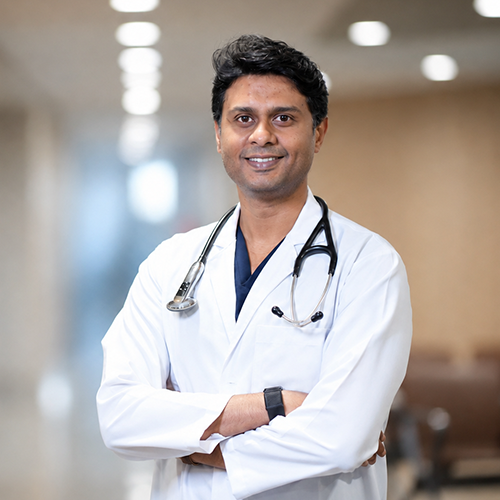


Hair & Scalp Disorders
Hair loss can have multiple causes, including nutritional, hormonal, inflammatory, genetic and other medical factors.
Our dermatology team evaluates concerns such as:
- Hair fall
- Thinning hair
- Pattern hair loss
- Scalp conditions
- Selected forms of alopecia
- Hair and scalp disorders requiring specialist evaluation
Where appropriate, treatments such as PRP may be considered as part of an individualised management plan.
Pigmentation & Uneven Skin Tone
Changes in pigmentation can have different causes and may require careful diagnosis before treatment.
Our specialists evaluate concerns including:
- Hyperpigmentation
- Uneven skin tone
- Melasma
- Post-inflammatory pigmentation
- Selected pigmentary disorders
Treatment is tailored to the underlying condition and may involve medical therapy or procedural options.
Inflammatory & Chronic Skin Conditions
Some skin conditions require long-term management rather than a single treatment.
Our specialists provide care for conditions such as:
- Eczema
- Dermatitis
- Psoriasis
- Chronic itching
- Skin allergies
- Recurrent inflammatory conditions
Treatment plans are designed to control symptoms, manage flare-ups and support long-term skin health.
Skin Infections
Skin infections may be caused by bacteria, fungi, viruses or parasites.
Accurate diagnosis helps determine whether treatment should involve topical medication, oral medication, procedures or other targeted therapies.
Advanced Dermatology Procedures
Chemical Peels
Medical-grade chemical peels can be used for selected concerns involving skin texture, pigmentation and acne. The type and strength of peel are selected according to the patient's skin and clinical requirement.
Microneedling
Microneedling creates controlled micro-injuries in the skin to stimulate a healing response and may be used for selected concerns such as acne scarring and uneven skin texture.
Microneedling Radiofrequency
MNRF combines microneedling with radiofrequency energy and may be considered for selected concerns involving acne scars, skin texture and other indications.
Laser & Light-Based Treatments
Depending on the diagnosis, laser or light-based procedures may be used for selected acne, pigmentation, vascular, hair and skin-quality concerns.
Treatment suitability varies by condition and skin type.
Radiofrequency Treatments
Radiofrequency-based procedures can be used for selected dermatological and aesthetic indications. Your dermatologist will assess whether the treatment is appropriate for your skin concern.
Dermabrasion
Dermabrasion is a resurfacing procedure that removes controlled layers of the skin and may be considered for selected scars and surface irregularities.
Intralesional Treatments
Certain dermatological conditions may benefit from medication delivered directly into a specific lesion or affected area.
Chemical Cautery
Chemical cautery may be used for selected skin lesions and conditions when clinically appropriate.
Skin Biopsy
A skin biopsy involves removing a small sample of tissue for microscopic examination. It can help diagnose or confirm certain skin disorders, inflammatory conditions, infections and suspicious lesions.
Medical Dermatology Meets Procedural Expertise
Modern dermatology often combines more than one treatment approach.
Depending on the condition, your dermatologist may recommend a combination of:
Medical treatment + Skin procedures + Energy-based treatments + Targeted therapies + Preventive skincare
The aim is to treat the underlying condition while also addressing its impact on skin health, texture, pigmentation or appearance.
Evidence-Based Care, Personalised to You
No two skin conditions are exactly alike.
Our dermatologists consider factors such as:
- Skin type and sensitivity
- Age and overall health
- Duration and severity of the condition
- Previous treatments
- Medication history
- Lifestyle and environmental factors
- Desired treatment goals
This helps create a treatment plan that is clinically appropriate and realistic for each patient.
Modern Dermatology. Expertly Delivered.
Our department combines specialist dermatology expertise with modern procedural capabilities to support both medical and aesthetic skin care.
Services include:
- Skin biopsy and diagnostic procedures
- Chemical peels
- Microneedling
- Microneedling Radiofrequency (MNRF)
- Radiofrequency treatments
- Laser and light-based procedures
- Dermabrasion
- Chemical cautery
- Intralesional injections
- PRP for selected hair-loss concerns
Procedures are recommended only when clinically appropriate following dermatological assessment.
Patient Testimonials
What Families Say About Our
Emergency Care
At MG Hospital, our departments are designed to deliver specialised, high-quality care supported by advanced technology and expert medical professionals.
“We reached the hospital during a critical emergency, and the response was immediate. The doctors handled everything with confidence and care.”
Suresh Kumar
Govt Employee
“We reached the hospital during a critical emergency, and the response was immediate. The doctors handled everything with confidence and care.”
Suresh Kumar
Govt Employee
“We reached the hospital during a critical emergency, and the response was immediate. The doctors handled everything with confidence and care.”
Suresh Kumar
Govt Employee
Why Choose MG Hospital for Dermatology?
FAQs
Frequently Asked Questions
At MG Hospital, our departments are designed to deliver specialised, high-quality care supported by advanced technology and expert medical professionals.
Consider consulting a dermatologist for persistent acne, unexplained rashes, recurring infections, hair loss, pigmentation changes, chronic itching, unusual skin growths, persistent nail problems or any skin condition that is not improving with routine care.
Yes. Depending on the type and depth of scarring, treatment may include medical therapy, microneedling, MNRF, resurfacing procedures or other options. Your dermatologist will assess the scars before recommending an appropriate approach.
Hair loss can have many causes, including genetic, hormonal, nutritional, inflammatory and medical factors. A dermatologist can evaluate the pattern and associated symptoms to help identify the likely cause.
No. The type of peel and whether it is appropriate depends on the skin condition, skin type, sensitivity and treatment objective. A dermatological assessment should precede treatment.
The number of sessions varies depending on the condition, procedure, severity and individual response. Your dermatologist will explain the expected treatment plan during consultation.
The level of discomfort varies between procedures. Some treatments may cause temporary warmth, tingling, redness or sensitivity. Your dermatologist will explain what to expect and the appropriate aftercare.
In selected cases, combining medical and procedural treatments can provide a more comprehensive approach. The combination should be determined by your dermatologist based on your diagnosis and treatment goals.
24/7 Emergency Services
When an Emergency Happens, Don't Wait
Prompt medical attention can be critical during a medical emergency. If you or someone around you is experiencing a serious or life-threatening condition, seek emergency medical care immediately.